Reviewing It’s Fine I’m Fine Everything’s Fine for Embroidery
As a designer who has spent countless hours digitizing and stitching out thousands of patterns, I have learned that the difference between a good design and a great one often lies in its versatility and emotional resonance. When I first encountered It s Fine I m Fine Everything s Fine, my initial reaction was not just about the aesthetic appeal, but about its potential as a commercial asset. This piece falls under the category of Print Templates and Graphics, yet its application extends far beyond simple digital printing. For those of us in the embroidery community, finding a design that balances humor with technical stitchability is rare.
The First Impression: Mood and Layout
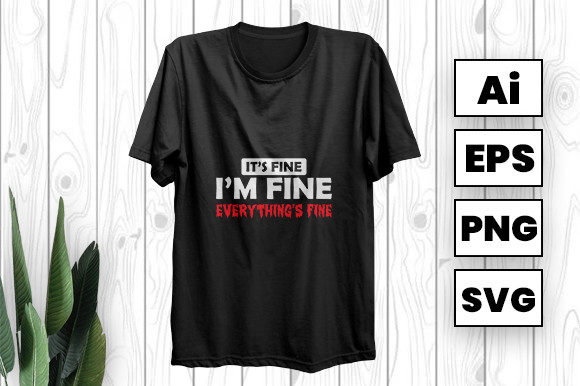
The phrase itself carries a heavy dose of modern, relatable sarcasm. It captures that specific moment of chaotic calm we all experience. Visually, the layout needs to be clean to ensure readability once stitched. In my review of this machine embroidery design, I looked closely at how the typography interacts with any accompanying graphical elements. A cluttered design fails on fabric because thread has physical volume. Fortunately, this design appears to prioritize clarity. The visual personality is bold yet approachable, making it suitable for a wide range of demographics, from stressed college students to busy parents.
When evaluating such a graphic for real-world use, I consider the negative space. Does the design allow the fabric to breathe? If the letters are too close together, the satin stitch or fill stitch areas might merge, creating a blob of thread rather than legible text. This design seems to maintain sufficient spacing, which is critical for maintaining the integrity of the message after the needle hits the cloth.
Real-World Application: The Custom Tote Bag Test
To truly understand the value of this asset, I imagined a specific scenario: preparing a custom order for a local boutique. The client wanted a series of tote bag design options for their spring collection. They needed something trendy, funny, and durable. I visualized placing It s Fine I m Fine Everything s Fine on a heavy canvas tote. Canvas is forgiving; it holds stitches well and provides a stable base for the stitch density required by bold lettering.
In this context, the design works beautifully. It transforms a simple utility item into a statement piece. Customers are drawn to items that reflect their current mood, and this humorous approach increases the perceived value of the handmade product. It is not just a bag; it is a conversation starter. For an Etsy seller or small shop owner, this kind of emotional connection drives sales. The design fits naturally into the realm of custom apparel and accessories because it is universal yet personal.
Versatility Across Product Lines
Beyond tote bags, I evaluated where else this graphic could thrive. Here is how I see it performing across different mediums:
- Sweatshirt embroidery: Placed on the left chest or centered on the back, it adds a casual, cool vibe to hoodies and crewnecks. The texture of fleece complements the raised nature of embroidery.
- Embroidered patch: This is perhaps the most versatile application. By stitching it onto twill and cutting it out, you create a standalone asset that can be ironed or sewn onto jackets, hats, or backpacks. This allows for mass production of a single design that customers can apply themselves.
- Holiday embroidery: While seemingly neutral, the ironic tone fits perfectly with Galentine’s Day or stress-relief themed holiday gifts. It serves as a great personalized gift for friends who appreciate dry humor.
- Aprons and kitchen towels: For the home cook who is barely holding it together, this design adds a touch of levity to the kitchen. However, care must be taken with stitch density on thinner fabrics like linen.
Technical Considerations for Stitching Success
While the design is strong conceptually, practical execution requires attention to detail. As an experienced reviewer, I must point out areas where caution is needed. If you are using this as a digital embroidery file, you must check the stitch count and density settings provided by the creator. High-density fills on stretchy fabrics like jersey t-shirts can cause puckering. Always use a proper stabilizer—cut-away for knits and tear-away for wovens—to support the stitches.
Another critical factor is thread colors. Since the design relies on text, contrast is key. On dark fabrics, ensure you use bright, high-visibility threads. On light fabrics, darker or bold colors work best. I recommend testing the design on scrap fabric first. Check for tiny lettering issues; if any part of the text is too small, it may not stitch out cleanly, especially on textured fabrics like terry cloth or denim. In such cases, simplifying the stitch type to a running stitch outline might be necessary, though this changes the visual weight of the final finished product.
Fabric and Hoop Constraints
Curved surfaces like caps present a unique challenge. If you plan to use this for hat embroidery, ensure the design width fits within your standard cap frame. Distortion can occur if the design is too wide or if the fabric stretches unevenly. Similarly, for baby embroidery, ensure that the backing is soft and non-irritating, as babies have sensitive skin. The humor might appeal to parents, but comfort is paramount for the wearer.
When working with applique design techniques, you might consider using fabric letters instead of dense stitching to reduce bulk. This is an excellent strategy for larger items like blankets or pillow covers where heavy stitching can make the item stiff and uncomfortable.
Commercial Value and Brand Consistency
For creative entrepreneurs, the licensing terms are crucial. The product description mentions that the design quality is high and can be used everywhere, but as a professional, I always advise verifying the specific license before selling commercial embroidery items. Does it allow for unlimited physical sales? Can it be used in digital mockups? Clarifying these points protects your business.
Using consistent, high-quality design assets like this helps build brand trust. When customers see clean, well-stitched designs repeatedly, they associate your shop with professionalism. This design, with its clear message and trendy appeal, supports that image. It is not just a graphic; it is a tool for engagement. Whether you are creating printable mockup previews for your online store or stitching actual items for a craft fair, the clarity of this design ensures it stands out.
Final Verdict
In conclusion, It s Fine I m Fine Everything s Fine is a robust addition to any designer’s library. It bridges the gap between digital art and tactile craft effectively. Its strength lies in its relatability and structural simplicity, which makes it adaptable to various embroidery project types. From small shop product lines to personalized gifts, it offers genuine commercial potential. Just remember to test your tension, choose your stabilizer wisely, and respect the fabric you are working with. With proper technique, this design will deliver a polished, professional result that resonates with buyers.