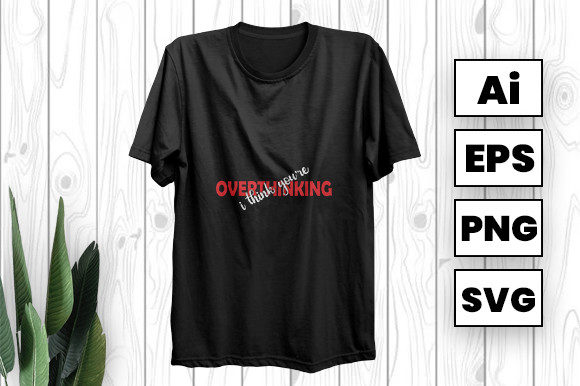
I Think You Overthinking: A Designer’s Embroidery Review
As an embroidery designer who has spent countless hours digitizing, stitching, and troubleshooting designs for clients, I have learned that the best graphics are not always the most complex. Sometimes, a simple message with strong visual personality cuts through the noise better than intricate floral arrangements or dense logos. Recently, I came across I Think You Overthinking, a piece categorized under Print Templates and Graphics, and immediately wanted to evaluate its potential beyond the screen. While the source describes it as a funny T-shirt design with high-quality digital clip art, my interest lies in how this asset translates into a tangible, stitched reality for craft businesses and handmade shops.
First Impressions and Visual Personality
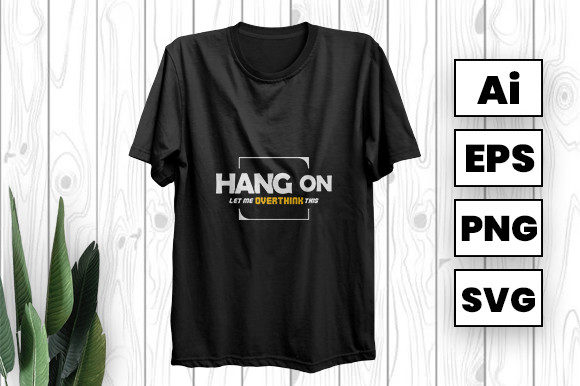
The immediate mood of I Think You Overthinking is relatable and slightly self-deprecating, which resonates deeply with modern consumers. In the world of custom apparel, humor sells, but only if it is legible and aesthetically pleasing. The layout appears balanced, avoiding the clutter that often plagues trending digital assets. For an embroidery project, this clarity is crucial. When we move from a pixel-based graphic to a thread-based medium, negative space becomes our best friend. This design seems to offer enough breathing room between elements, suggesting that it would not require excessive pull compensation or dense stitch counts that could distort delicate fabrics.
The theme taps into the current cultural conversation about mental health and mindfulness, albeit with a humorous twist. This makes it versatile. It is not just a joke; it is a statement piece. For Etsy sellers and small shop owners, this duality increases the product’s appeal. It can be marketed as a lighthearted gift or a serious conversation starter, depending on the accompanying product choices.
Real-World Application: The Sweatshirt Test
To truly understand the value of a design, I imagine it on a specific product. Let us consider a mid-weight, cotton-blend sweatshirt. This is a staple for any craft business. Applying I Think You Overthinking to the left chest area creates a subtle, boutique feel. Alternatively, placing it large on the back transforms the garment into a streetwear-inspired item. In both scenarios, the design’s simplicity works in its favor.
If I were preparing this for a client order, I would lean towards a satin stitch for the lettering to ensure crisp edges, provided the text is not too small. If the design includes graphical elements alongside the text, a combination of fill stitch for larger shapes and running stitch for outlines might be necessary to maintain definition. The key here is stitch density. Since the description mentions high quality, I assume the lines are clean, but I would still advise testing on scrap fabric first. Textured fabrics like fleece or terry cloth can swallow thin details, so adjusting the stitch width or adding a slight border could enhance visibility.
Navigating Fabric and Hoop Constraints
Not every surface is created equal. While this design might look perfect on a flat tote bag, applying it to curved surfaces like caps requires caution. The curvature of a cap can distort text, making "Overthinking" appear warped if the hoop size is not managed correctly. For headwear, I would recommend using a stiff stabilizer and possibly breaking the design into smaller sections if the software allows, though a single continuous design is preferable for speed and consistency.
Dark fabrics present another challenge. If you are stitching white or light-colored thread on black denim or navy sweatshirts, contrast is vital. I always test my machine embroidery design in black and white mockups before committing to thread colors. This helps visualize whether the design holds its shape without color cues. For dark garments, ensuring that the underlying layers are covered properly prevents the fabric color from peeking through, which can make the finished product look amateurish.
Thin or stretchy fabrics, such as those used for baby clothes or lightweight tees, demand a gentle touch. High stitch density can cause puckering, ruining the comfort of the garment. For baby embroidery, I would recommend reducing the density and using a soft cut-away stabilizer to maintain integrity without stiffness. The playful nature of I Think You Overthinking makes it suitable for nursery decor or personalized gifts, but only if the hand-feel remains soft.
Commercial Viability and Brand Consistency
For commercial embroidery projects, consistency is key. Whether you are producing ten units or one hundred, the design must stitch out reliably every time. This is where reviewing the actual embroidery file details becomes non-negotiable. The product description states the quality is high and can be used everywhere, but as a professional, I need to verify the stitch count and format compatibility. Does it come in PES, DST, or JEF? Is it optimized for multi-needle machines or single-needle home units?
Using this design in your small shop product line can enhance brand recognition if styled correctly. Pairing it with minimalist packaging and high-quality blanks elevates the perceived value. It is not just a printed shirt; it is a curated experience. Customers trust handmade products that show attention to detail. Clean trims, proper stabilizer removal, and precise alignment signal professionalism. This design, with its clear message, supports that narrative by being easy to read and visually appealing.
Practical Notes for the Maker
Before you add I Think You Overthinking to your next batch of listings, consider these practical steps:
- Check Licensing: Ensure the license allows for commercial use on physical goods. Some digital embroidery files restrict the number of items you can sell.
- Test Stitch Density: Run a test on similar fabric to check for puckering or thread breaks.
- Thread Color Contrast: Choose threads that stand out against your base fabric. Monochromatic looks can be chic, but legibility is paramount for text-based designs.
- Hoop Size Verification: Confirm the design fits within your standard hoops to avoid re-hooping, which can lead to misalignment.
- Mockup Variations: Create printable mockups for your online store showing the design on various items like aprons, pillow covers, and tote bags to inspire buyers.
In conclusion, I Think You Overthinking offers a promising blend of humor and style that fits well within the current market trends for personalized gifts and custom apparel. Its success in your craft business will depend not just on the graphic itself, but on your execution. By paying attention to fabric texture, stabilizer choice, and stitch optimization, you can transform this digital asset into a high-value finished product. Whether for holiday embroidery, wedding gifts, or everyday wear, this design has the potential to engage buyers and boost your portfolio, provided it is handled with the technical care it deserves.