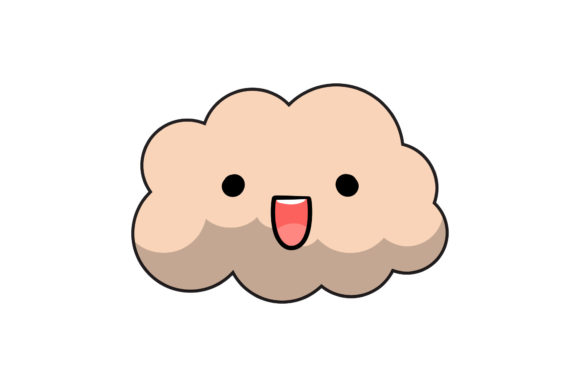
Kawaii Funny Cloud Baby Blue: A Designer Review
As a designer who has spent years translating digital concepts into tangible thread, I approach every new asset with a critical eye. When I first opened the file for Kawaii Funny Cloud Baby Blue, my immediate thought wasn't just about the aesthetic appeal, but how this specific vector graphic would translate into a physical machine embroidery design. The name alone suggests a playful, soft vibe, which is exactly what many crafters and small business owners are hunting for in the current market. However, a pretty picture on a screen does not always guarantee a successful stitch-out. Let's dive into whether this Illustration holds up under the scrutiny of real-world production.
The First Impression: Mood and Visual Weight
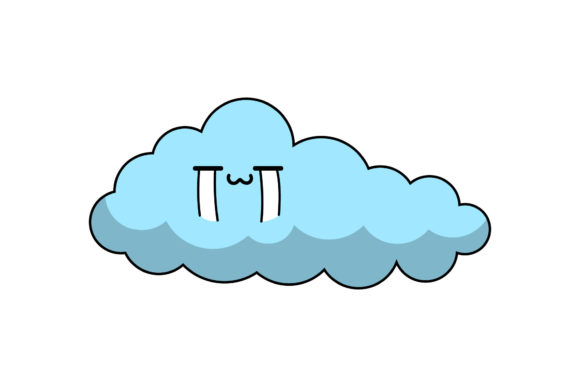
The initial visual impact of Kawaii Funny Cloud Baby Blue is undeniably charming. It captures that quintessential "kawaii" aesthetic—cute, rounded, and friendly. For anyone looking to create a handmade product line focused on baby items or whimsical home decor, this design hits the right emotional note. The use of baby blue as a primary tone suggests softness, making it an instant favorite for nursery-themed projects. However, as a professional reviewer, I immediately started mentally mapping out the stitch density required to render those smooth curves without them looking jagged or pixelated once stitched.
In the realm of Graphics, simplicity often wins when moving from vector to thread. This cloud design appears to have clean lines and a layout that should convert well into both satin stitch outlines and fill stitch areas. The lack of overly intricate internal details is a relief; complex vectors often result in tangled threads or registration issues during stitching. This design seems to strike a balance where the personality shines through without overwhelming the machine or the fabric.
A Real-World Scenario: The Custom Sweatshirt Project
To truly test the viability of Kawaii Funny Cloud Baby Blue, let's imagine a specific project: a custom embroidered sweatshirt for a boutique shop selling cozy, gender-neutral baby gear. Picture a soft, heather grey fleece sweatshirt. The goal is to place this cloud design on the chest pocket area. In this scenario, the design needs to pop against the textured fabric while maintaining its cute, approachable character.
When visualizing the finished product, the baby blue thread needs to contrast enough with the grey background to be visible, yet remain soft enough not to clash. If the thread colors are chosen poorly, the design could get lost in the flecks of the fleece. This is where the embroidery file conversion becomes critical. You would likely need to adjust the pull compensation to ensure the stitches lay flat on the stretchy knit fabric. If the design is too dense, the back of the sweatshirt might pucker, ruining the drape and comfort of the garment. Conversely, if it's too sparse, the design might look flimsy on a heavy item like a sweatshirt.
For an Etsy seller or a small shop owner, this kind of foresight is what separates a hobbyist from a professional. Customers buying a personalized gift expect a high-quality finish. If they receive a sweatshirt where the Kawaii Funny Cloud Baby Blue design looks distorted or the fabric is stiff around the embroidery, it damages brand trust. The design itself is promising, but the execution relies heavily on your ability to adapt it to the specific textile.
Navigating Fabric Challenges and Placement
While this design is versatile, there are specific situations where you must exercise caution. Kawaii Funny Cloud Baby Blue works beautifully on stable fabrics like cotton tote bags, canvas aprons, or pillow covers. These materials provide a solid foundation for the needle to penetrate without shifting. However, placing this design on thin, stretchy, or highly textured fabrics requires extra care.
If you attempt to embroider this on a delicate baby onesie made of fine jersey knit, the tension from the fill stitch could cause the fabric to gather. In such cases, using a tear-away or cut-away stabilizer is non-negotiable. Similarly, if you are creating an embroidered patch for a cap, the curved surface of the hat can distort the round shape of the cloud. You may need to resize the design slightly smaller than intended to account for the curvature, ensuring the final look remains symmetrical and cute.
Another consideration is the color of the base material. While the design is named "Baby Blue," the actual thread selection matters immensely. On dark fabrics, you will need a backing layer of white fill to make the blue pop, which adds time and cost to the production. On light fabrics, the blue will stand out naturally, but you must ensure the shade doesn't blend too closely with off-white or cream backgrounds. Always test the design on scrap fabric first, especially when working with custom apparel that will undergo frequent washing.
Commercial Viability and Brand Consistency
For creative entrepreneurs building a brand, consistency is key. Kawaii Funny Cloud Baby Blue offers a distinct visual identity that can anchor a collection. Imagine a line of holiday embroidery gifts where this cloud is paired with seasonal accents, or a series of kitchen towels featuring different weather patterns. Because the source is a vector graphic, it is openable, editable, and resizable without losing quality. This flexibility allows you to scale the design for various applications, from a tiny logo on a pen to a large statement piece on a blanket.
However, before launching this into a commercial run, you must verify the licensing terms. As a designer, I cannot stress enough the importance of confirming whether you are allowed to sell finished items containing this design. Many digital product sellers assume they can use any vector they download for commercial purposes, only to face legal issues later. Ensure you have the rights to use Kawaii Funny Cloud Baby Blue for commercial embroidery projects, whether you are selling the physical goods or offering them as part of a personalized gift service.
Practical Notes for the Embroidery Designer
If you decide to move forward with this design, here are my practical recommendations based on experience:
- Test on Scrap Fabric: Never skip the test run. Stitch out the design on a swatch of the exact fabric you plan to use. Check for puckering, thread breaks, or gaps in the fill.
- Review Stitch Density: If the default settings look too tight, reduce the density slightly to allow the fabric to breathe, especially on stretchy knits.
- Check Hoop Size: Ensure the design fits comfortably within your hoop with a margin of error. Over-hooping can damage the fabric or the design edges.
- Compare Light and Dark Backgrounds: Create printable mockups in black and white to see how the silhouette reads without color distractions. This helps in planning thread placement.
- Inspect Small Details: Even though the design is simple, check the corners and curves. Sometimes, very sharp angles in a vector can cause thread bunching in embroidery.
- Confirm Licensing: Double-check the license agreement regarding resale of finished products and distribution of the digital embroidery file.
Final Thoughts on Design Assets
Kawaii Funny Cloud Baby Blue is a strong contender for designers looking to add a touch of whimsy to their portfolio. Its clean lines and appealing color palette make it suitable for a wide range of craft business applications, from baby embroidery to fun tote bag designs. However, its success lies not just in the vector art itself, but in how thoughtfully you apply it to your projects. By paying attention to fabric choice, stabilizer usage, and thread contrast, you can turn this digital asset into a high-quality, professional-looking finished product that customers will love.
Whether you are a seasoned apparel decorator or a hobbyist starting your first Etsy shop, taking the time to evaluate and test your designs ensures that your work stands out for all the right reasons. With careful execution, this cloud design can become a signature element in your collection, bringing joy and creativity to your handmade offerings.