Collection Cartoon Funny Food Kawaii Review
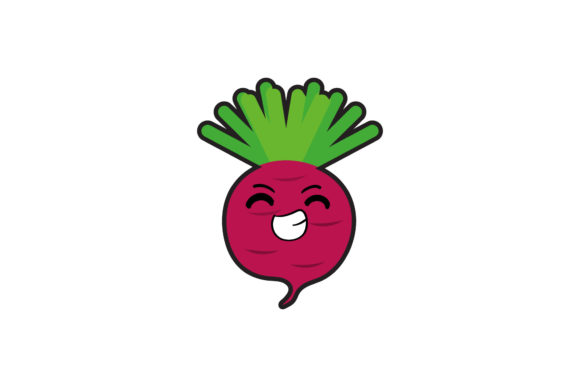
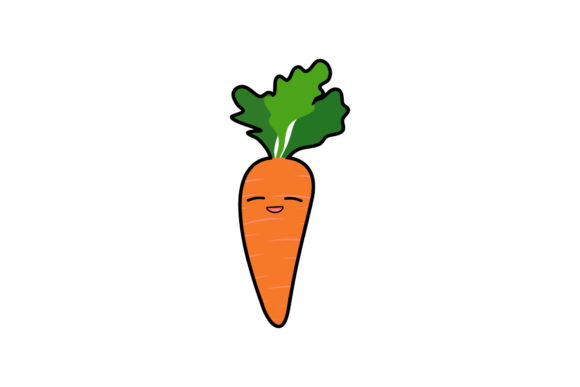
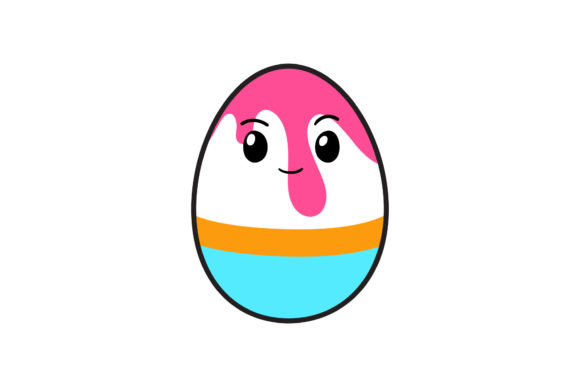
As a designer who has spent years translating digital art into tangible thread, I approach every new asset with a critical eye. When I first opened the Collection Cartoon Funny Food Kawaii, my immediate reaction was one of genuine delight. There is a specific charm to kawaii aesthetics that translates surprisingly well into the tactile world of embroidery. The design features bold outlines and simplified shapes, which are the holy grail for machine embroidery. Unlike hyper-realistic food photography or intricate watercolor styles that often struggle under the needle, this collection embraces the limitations of the medium. It feels like it was born to be stitched.
The First Stitch: Visual Personality and Mood
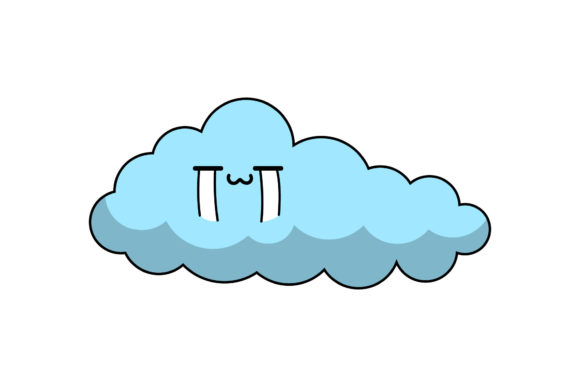
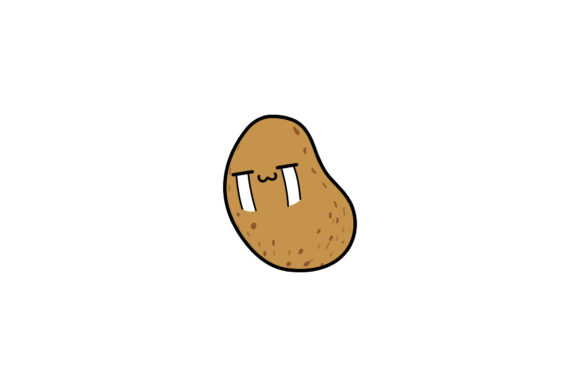
The mood created by these graphics is undeniably playful and energetic. Whether you are looking at a winking donut or a smiling slice of pizza, the visual personality is strong enough to stand out on a garment without needing excessive embellishment. In the world of Illustrations, many designs fail when converted because they rely on gradients or fine details that get lost in the stitch density. However, this collection avoids those pitfalls. The layout is balanced, and the detail level is perfect for creating a clean finished product. It evokes a sense of nostalgia and fun, making it an excellent candidate for custom apparel aimed at younger audiences or anyone who appreciates a touch of whimsy in their daily wear.
Real-World Application: From Digital File to Finished Product
Let’s talk about how this actually performs in a real-life scenario. Imagine you are running a small shop and need to create a line of holiday gifts. You decide to produce a set of embroidered tote bags featuring the funny food characters. Because the lines are thick and confident, the design holds up beautifully even on a canvas material, which can sometimes be tricky due to its texture. The stitch density appears manageable, meaning you won’t face the common issue of puckering fabric when filling larger areas. If you were to use this for a sweatshirt embroidery project, specifically on the chest pocket area, the rounded edges of the food items would flow naturally with the curve of the garment.
I also envision these designs working exceptionally well as embroidered patches. For a craft business selling personalized gifts, turning these graphics into iron-on patches allows for versatility. A customer could buy a plain denim jacket and add a cute burger patch to the back. The simplicity of the Graphics ensures that even if the stitching isn't perfectly aligned, the character remains recognizable and charming. This forgiveness factor is crucial for handmade products where slight variances are expected and accepted.
Baby Items and Nursery Decor
One of the most promising applications for Collection Cartoon Funny Food Kawaii is in the realm of baby embroidery. Parents love soft, colorful motifs for nursery decor. Think about a pillow cover for a toddler's bed or a tea towel for a child's kitchen playset. The bright, cheerful nature of the food characters makes them ideal for baby clothes, provided the stabilizer used is appropriate for stretchy fabrics. The design assets here are versatile enough to be scaled down for a cap or scaled up for a blanket corner accent without losing their identity.
Navigating Challenges: Where Caution is Needed
While this collection is robust, no design is universally perfect for every situation. As a professional, I must advise caution when using these on very thin or highly textured fabrics. If you attempt to embroider a detailed food item on a sheer silk scarf, the weight of the fill stitch might overwhelm the fabric. Similarly, on dark fabrics, the contrast of the thread colors becomes critical. The original vector files likely feature light backgrounds or white outlines; if you are stitching on black cotton, you will need to carefully select your thread colors to ensure the kawaii expression doesn't get lost in the shadows.
Another area to watch is curved surfaces like caps. While the rounded shapes of the food items help, complex corners in some of the more intricate illustrations might require digitization adjustments. If you are converting these vectors yourself, pay close attention to the running stitch placement around tight curves. Additionally, avoid using these designs for items that require frequent industrial washing if you are not using high-quality stabilizer. Over time, heavy wash cycles can cause satin stitches to lift or fill stitches to flatten, altering the look of your finished product.
Practical Designer Notes for Success
Before you commit to a full production run, there are several steps you should take to ensure the highest quality. First, always test the design on scrap fabric that matches your final material. This allows you to check the hoop size requirements and see how the design sits on the actual texture. Second, review the stitch density. Even though the design looks simple, dense areas can cause tension issues. Adjusting the pull compensation in your software can save you from ruined garments.
It is also wise to inspect the design in black and white mockups before purchasing thread. This helps you visualize the value of the contrast without the distraction of color. For Etsy sellers and digital product creators, consider creating printable mockups that show the design on various items like aprons, hats, and pillows. This builds customer trust and helps buyers imagine the personalized gift in their own lives.
Finally, verify the licensing terms. While the description mentions these are vector files suitable for logos and t-shirt designs, you must confirm if you are allowed to sell the physical embroidered items or just the digital file. Understanding the scope of your license is essential for any commercial embroidery venture. Whether you are a hobbyist making gifts for friends or a creative entrepreneur building a brand, respecting these boundaries protects your business.
Final Verdict on Value and Appeal
In conclusion, Collection Cartoon Funny Food Kawaii offers a refreshing take on food-themed embroidery. It bridges the gap between digital art and textile craft with ease. The design enhances visual appeal through its friendly aesthetic, boosting the perceived value of any handmade product it adorns. For small shop owners looking to diversify their inventory with something unique and engaging, this collection provides a solid foundation. It encourages buyer engagement simply by being adorable and well-executed.
If you are ready to bring a smile to your customers' faces, this set of design assets is worth exploring. Just remember to prepare your workspace, choose the right stabilizer, and let the playful nature of the food characters shine through your needlework. With careful execution, these designs can become a signature element of your craft business, turning simple threads into memorable, cherished items.