Food Character Funny Kawaii Cute: An Embroidery Review
As a designer who has spent years translating digital art into tangible thread, I approach every new asset with a critical eye. When I first opened the Food Character Funny Kawaii Cute file, my initial reaction was pure delight. There is an undeniable charm in kawaii aesthetics that translates beautifully to textiles. However, the leap from a clean vector illustration on a screen to a stitched reality on fabric is where the real work begins. This review breaks down how this specific graphic holds up when moved from the digital realm into the practical world of embroidery.
The First Impression: Mood and Visual Personality
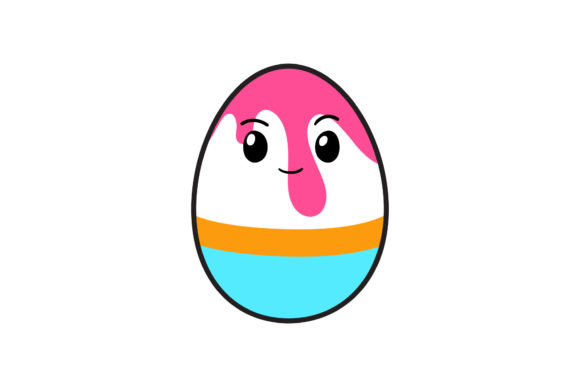
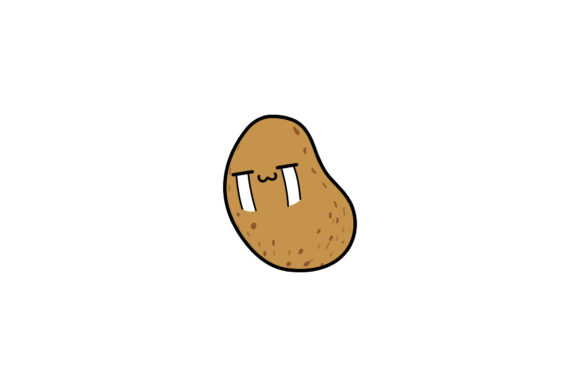
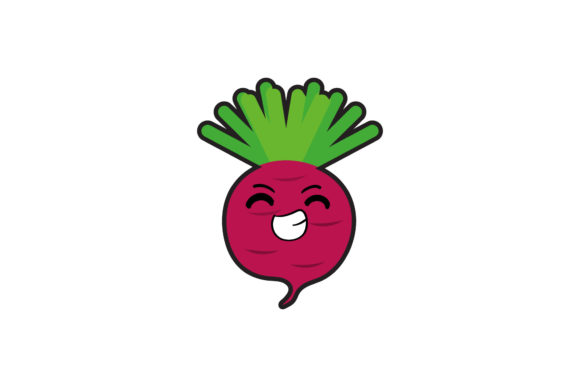
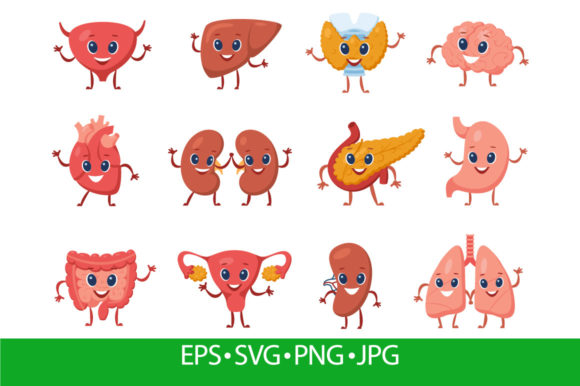
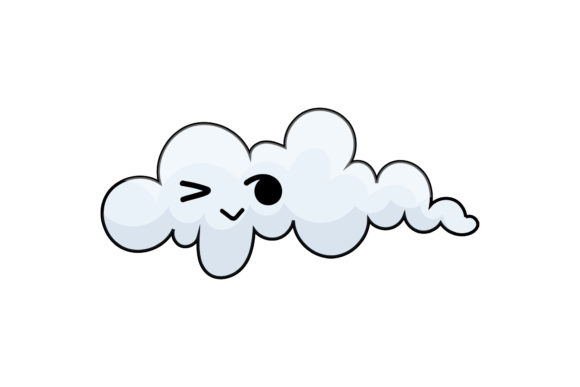
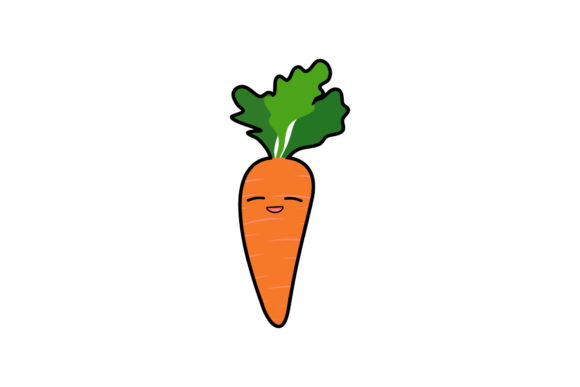
The Food Character Funny Kawaii Cute design immediately establishes a playful, whimsical tone. The shapes are rounded and soft, avoiding sharp angles that can sometimes be tricky to stitch without jagged edges. In the context of Illustrations, this design stands out for its high contrast and clear silhouettes. As a Graphics asset, it is versatile, but for us embroiderers, the key question is always about detail retention. The character faces are expressive, relying on simple eyes and mouths rather than complex shading. This simplicity is a massive advantage when converting to a machine embroidery design. Complex gradients often turn into muddy messes when stitched, but the flat colors and bold lines here suggest a very clean conversion potential.
A Real-World Scenario: The Custom Tote Bag Project
To truly test the viability of this design, let's imagine a specific project. I am preparing a limited run of custom tote bags for a local boutique specializing in handmade goods. The client wants something that appeals to young adults and children alike—a "fun" item that doubles as a statement piece. I decide to use the Food Character Funny Kawaii Cute graphic as the central motif on a heavy-duty canvas tote bag.
When visualizing the placement, the design fits perfectly within a standard 5x7 inch hoop. Because the characters are distinct and separated by white space, they won't bleed into each other during stitching. On a textured canvas, the fill stitch will sit nicely, adding a slight raised texture that enhances the tactile feel of the bag. Customers picking up these bags at a craft fair would likely react positively to the cheerful expression of the food characters. It transforms a utilitarian object into a conversation starter. For an Etsy seller or a small shop owner, this kind of visual appeal directly impacts buyer engagement. The design feels professional yet accessible, striking the right balance between novelty and quality.
Performance Across Different Fabrics and Products
While the tote bag is a strong candidate, the versatility of Food Character Funny Kawaii Cute extends further. Let's consider how it performs on other common substrates:
- Custom Apparel: On a cotton sweatshirt, this design works exceptionally well. The thickness of the fleece provides a stable base for the stitches. The satin stitch used for outlining the character features will pop against the heathered gray or pastel colors often found in casual wear.
- Baby Items: The cute nature of the food characters makes them ideal for baby onesies or burp cloths. However, safety is paramount. The stitch density must be low enough to prevent irritation against sensitive skin. The rounded shapes of the design naturally reduce the risk of sharp points poking through.
- Embroidered Patches: If you are creating patches for jackets or hats, this design is perfect. The clear outlines allow for a clean edge finish, which is crucial for a high-quality finished product.
- Holiday Gifts: During the holiday season, personalized gifts are in high demand. Imagine this design on a kitchen towel or a pillow cover. It adds a festive, cozy touch that feels more personal than mass-produced items.
For commercial embroidery projects, consistency is key. Since the source files are vector-based, you can resize the design without losing clarity. This means you can scale it down for a cap logo or up for a large banner without worrying about pixelation, provided you adjust your stitch density accordingly.
Where Caution Is Required
Despite its strengths, there are scenarios where Food Character Funny Kawaii Cute requires careful handling. Small hoop sizes might force you to crop the design, potentially cutting off essential details like the character's feet or hands. Always check the full composition before committing to a tiny area. Additionally, while the design looks great on light fabrics, using it on dark materials requires a solid underlay. Without a proper backing, the bright thread colors might not show up vividly, dulling the kawaii effect.
Textured fabrics like ribbed knit or linen can also pose challenges. The uneven surface can cause the needle to skip or the thread to pucker if the stabilizer isn't chosen correctly. Similarly, stretchy fabrics need a flexible stabilizer to prevent the design from distorting when the garment moves. Finally, avoid placing this design on areas that undergo frequent washing or heavy friction, such as the seat of pants or the cuff of a shirt, as the running stitch details may wear down over time.
Practical Designer Notes for Success
Before you start stitching, follow these steps to ensure the best results with this embroidery file:
- Test on Scrap Fabric: Never stitch directly onto your final product first. Run a test on a scrap piece of the same fabric to check for puckering and color accuracy.
- Check Thread Contrast: Ensure the thread colors you select provide enough contrast against the background fabric. The charm of the design relies on visibility.
- Review Stitch Density: If you resize the design significantly, you may need to adjust the density settings in your software. Too dense, and the fabric will stiffen; too loose, and the design will look patchy.
- Confirm Hoop Size: Measure your design against your available hoops. Remember to leave a margin around the edges to prevent the hooping frame from damaging the surrounding fabric.
- Use Proper Stabilizer: Whether it's cut-away for knits or tear-away for wovens, the right stabilizer is non-negotiable for a professional look.
- Licensing Check: Before selling any handmade product featuring this design, confirm the licensing terms. While the description mentions it is suitable for logos and illustrations, always verify if you have the right to sell finished goods or digital downloads.
Impact on Brand and Customer Trust
Ultimately, the choice of design assets affects your brand's perception. Using a high-quality, well-executed design like Food Character Funny Kawaii Cute signals professionalism. It shows that you care about the details, from the stitch count to the final presentation. For a craft business, this attention to detail builds customer trust. When a buyer receives a personalized gift or a unique piece of custom apparel, they want to know it was made with care. A clean, crisp embroidery job elevates the perceived value of the item, justifying a higher price point.
In the crowded market of digital products and handmade goods, standing out requires both creativity and technical skill. This design offers the creative spark, but it is up to the maker to execute it flawlessly. By understanding how the design interacts with different fabrics and machines, you can create products that are not only visually appealing but also durable and functional.
Whether you are creating a single personalized gift for a friend or launching a line of small shop products, the Food Character Funny Kawaii Cute graphic provides a solid foundation. It brings joy to the user and satisfaction to the creator. Just remember to test, stabilize, and license correctly, and you will have a winner on your hands.