Homebody Svg: A Real-World Embroidery Review
As a designer who has spent years turning digital vectors into tangible, stitched goods, I approach every new machine embroidery design with a specific set of questions. Does the line weight hold up when converted to satin stitch? Will the fill areas breathe on textured fabric? Most importantly, does the concept translate well from a screen to a finished product that a customer will actually want to keep? When I first opened the Homebody Svg file package, I was immediately struck by its simplicity and the clear intent behind the graphic. It is a straightforward declaration for introverts and those who cherish their domestic spaces, but in the world of embroidery, simplicity often hides complexity.
The First Impression: Mood and Visual Weight
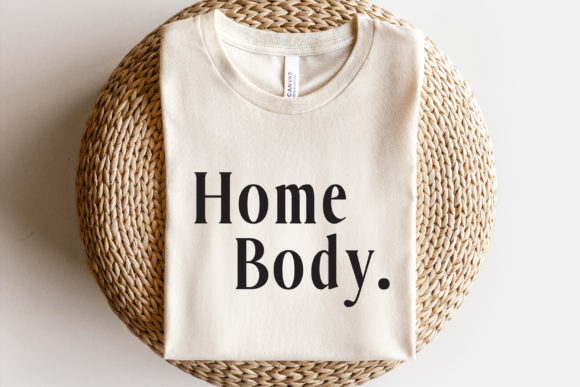
The visual personality of Homebody Svg is cozy, slightly humorous, and deeply relatable. The typography and layout suggest a design that thrives on contrast rather than intricate detail. In my experience, designs labeled as "Funny" or "Stay Home" often rely on bold lettering to land the joke effectively. If you are planning to use this for custom apparel, the clean lines are a significant advantage. They reduce the risk of registration errors during stitching, which is a common nightmare when working with multi-color text on stretchy fabrics like jersey or fleece.
When I visualize this as an embroidered patch or a chest logo on a heavy sweatshirt, the mood shifts from a simple statement to a badge of honor. The design feels like it belongs on a high-quality tote bag carried to a local coffee shop or pinned onto a denim jacket at a craft fair. However, because the theme is so specific to the "introvert" demographic, the execution must be flawless. A sloppy stitch job on a design that celebrates comfort would be ironic and disappointing to the buyer.
Testing the Design in Real-Life Scenarios
To truly evaluate Homebody Svg, I imagined preparing a custom embroidered tote bag for a small boutique client. The goal was to create a limited-run item for a holiday gift guide. Tote bags are tricky; they are often made of canvas with a weave that can grab thread if the stitch density isn't managed correctly. With a design this size, the risk of puckering is low, provided you use the right stabilizer. I would recommend a cutaway stabilizer for the durability required by a bag that will see frequent washing and heavy loads.
Consider the application on a baby onesie. This is where the "Introvert" theme might need careful handling. While funny for adults, placing text-heavy graphics on infant wear requires checking the softness of the backing. If the fill stitch is too dense, the fabric becomes stiff and uncomfortable against a baby's skin. In this scenario, Homebody Svg works best if you adjust the settings to use a lighter running stitch outline or a lower-density fill, ensuring the garment remains soft while the message stays legible.
For the Etsy seller looking to expand their catalog, this design fits perfectly into the "personalized gift" category. Imagine a kitchen towel or an apron featuring this text. These are items that get washed often, so the longevity of the thread colors is paramount. Darker threads on light fabrics usually age better than neon accents, which tend to fade faster. The versatility of the included files—specifically the SVG and DXF formats—means you can easily resize the design to fit different hoop sizes without losing the integrity of the curves.
Navigating Fabric Challenges and Technical Limits
While Homebody Svg appears robust, there are specific situations where caution is required. Small hoop sizes are a potential pitfall. If you attempt to shrink this design down to fit a 4x4 inch hoop, the lettering may become too thin for your machine to stitch cleanly. Thin lines often result in gaps in the satin stitch or require a higher stitch count than necessary, leading to wasted thread and time. Always test the design on scrap fabric first to ensure the smallest details remain crisp.
Textured fabrics present another challenge. On a chunky knit sweater or a heavily woven blanket, the flat nature of the embroidery might not sit well unless you use a tear-away stabilizer that creates a firm foundation. Conversely, on thin, stretchy fabric like a fitted t-shirt, the tension of the needle pulling through the material could distort the shape of the letters. In these cases, using a water-soluble top stabilizer can help maintain the design's shape during stitching.
Curved surfaces, such as caps or hats, demand extra attention. The text in Homebody Svg likely sits horizontally. Stitching horizontal text on a curved brim can cause the letters to warp if the cap is not held rigidly in the hoop. You might need to break the design into smaller sections or use a specialized cap frame to ensure the text reads clearly from all angles. Additionally, dark fabrics require a white underlay to make the text pop. Without a proper underlay, the thread colors might look muddy, diminishing the professional appeal of the finished product.
Practical Designer Notes for Commercial Success
If you are considering Homebody Svg for your craft business, remember that the value of your handmade product lies in the quality of the execution. Before committing to a full run of inventory, create a printable mockup to visualize how the design looks on various backgrounds. Compare light and dark fabric options to see which offers the best contrast. This step is crucial for maintaining brand consistency across your shop listings.
Check the licensing terms carefully before selling finished items. While the download includes multiple file formats like AI, EPS, and Studio3, the license dictates whether you can sell the physical embroidered goods or if you are restricted to personal use. As a professional, I always confirm this to avoid legal headaches down the road. Once cleared, this design can serve as a strong asset for commercial embroidery projects, particularly for seasonal collections or themed merchandise.
Finally, do not overlook the importance of thread color selection. The "Homebody" theme suggests warmth and comfort. Earth tones, soft pastels, or classic black and white combinations often resonate more with this aesthetic than bright, jarring colors. Test the design in black and white mockups first to judge the balance of positive and negative space. If the spacing looks off in grayscale, it will likely look worse in color.
Final Thoughts on Value and Versatility
In conclusion, Homebody Svg is a solid addition to any digital embroidery file library, provided you respect its limitations and strengths. It is not a complex applique design requiring layers of fabric, nor is it a tiny icon meant for jewelry. It is a bold statement piece that shines on sweatshirt embroidery, tote bag designs, and home decor items. For the small shop owner or hobbyist, it offers a quick path to creating marketable, personalized goods that speak directly to a niche audience.
By taking the time to test the hoop size, select the appropriate stabilizer, and choose complementary thread colors, you can transform this simple graphic into a high-value handmade product. Whether you are making a holiday gift for a friend or stocking shelves for your online store, the key is to let the design breathe and ensure the stitching enhances the fabric rather than overwhelming it. With the right preparation, Homebody Svg can become a staple in your collection of design assets, proving that sometimes the most effective designs are the ones that say exactly what people feel.