Reviewing Limited Edition Funny Sublimation Print
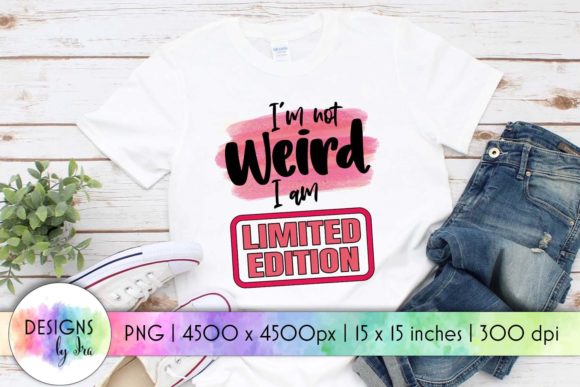
As a designer who has spent years navigating the intersection of digital art and physical thread, I approach every new asset with a critical eye. When I first encountered the Limited Edition Funny Sublimation Print, my initial reaction was one of cautious curiosity. The listing describes it as a high-resolution PNG file, 15 x 15 inches at 300 dpi with a transparent background. On paper, these specs are excellent for print-on-demand or sublimation, but my mind immediately began translating this digital graphic into the language of the embroidery machine. How does a design born for ink transfer translate to the tactile world of satin stitch and fill stitch? This is the question I asked myself while preparing a mock project to test its viability.
The Visual Personality and Design Intent
The mood created by the Limited Edition Funny Sublimation Print is inherently lighthearted and bold. In the realm of T-Shirt Designs, humor often relies on clarity and immediate recognition. The layout appears balanced, designed to pop against a white or light-colored background, which is typical for sublimation workflows. However, when evaluating this as a potential machine embroidery design, the "funny" aspect hinges entirely on how well the details hold up under magnification by the needle.
In my studio, I visualize this graphic not just as a static image, but as a dynamic element that will sit on fabric. The visual personality suggests it would work exceptionally well as a statement piece on a tote bag or a casual sweatshirt. The clean lines implied by the high resolution suggest that if converted correctly, the design could offer a crisp finish without the muddy look that plagues low-quality digital embroidery files. Yet, there is a distinct difference between a pixel-perfect PNG and a stitch-perfect embroidery file. The transition requires careful consideration of how the "Graphics" category applies to textile decoration.
A Real-World Scenario: The Custom Tote Bag Project
To truly understand the utility of this asset, I imagined a specific scenario: creating a line of personalized gifts for a local craft fair. My goal was to produce a set of canvas tote bags featuring the Limited Edition Funny Sublimation Print as the central motif. The challenge here is that canvas has a natural texture that can interfere with fine details. If the original design contains tiny lettering or intricate curves, those elements might get lost in the weave of the fabric unless the stitch density is meticulously managed.
I envisioned placing the design on a sturdy cotton tote. The transparent background mentioned in the product description is a significant advantage here, as it allows the design to be placed anywhere without an awkward bounding box. For a tote bag design, this flexibility is crucial. Customers want their humor to stand out, not be boxed in. If I were to use this for custom apparel, specifically a heavy-weight hoodie, the scale of the 15 x 15 inch source file would allow me to downsize the design slightly while maintaining enough detail to ensure the joke lands clearly. The result would be a high-value handmade product that feels professional rather than amateurish.
Navigating Fabric Textures and Hoop Sizes
While the potential is clear, there are areas where caution is required. One of the primary concerns when adapting a sublimation graphic for stitching is the interaction with different fabric textures. On a smooth polyester blend used for athletic wear, the design might render beautifully. However, on textured fabrics like denim or thick fleece, the stitch density must be adjusted to prevent puckering. If the Limited Edition Funny Sublimation Print features dense areas of color, simply converting it to a standard fill stitch could overwhelm the fabric, leading to a stiff, uncomfortable patch.
Furthermore, consider the hoop size. A 15 x 15 inch source file is massive, but your machine hoop is likely much smaller. If you attempt to fit the entire design into a small 4x4 inch hoop for a cap or a baby onesie, you risk losing the essence of the humor. Tiny lettering becomes illegible, and complex shapes merge into blobs of thread. For projects like baby embroidery or caps, it is often better to isolate a single element from the larger graphic rather than trying to force the whole composition into a tight space. Always check whether the design works for both personal and commercial projects before committing to a large production run.
Critical Considerations for Dark Fabrics
Another critical factor is the background color of the final garment. Sublimation prints typically require light substrates, but embroidery thrives on contrast. If you plan to use this design on a dark t-shirt or a black apron, you will need to add an underlay. Without a proper stabilizer and underlay strategy, the colors in the Limited Edition Funny Sublimation Print may appear dull or translucent. The thread colors chosen must complement the base fabric to maintain the visual appeal and buyer engagement. A design that looks vibrant on a white screen might look washed out on navy blue without careful planning.
Practical Designer Notes for Implementation
If you decide to move forward with this asset for your craft business or Etsy shop, follow these practical steps to ensure success:
- Test on Scrap Fabric First: Never stitch directly onto your final product. Use a scrap piece of the same material to check how the design behaves under tension.
- Check Thread Color Contrast: Ensure the colors selected for the embroidered patch or direct stitching provide enough contrast against the fabric to make the design readable.
- Review Stitch Density: High-resolution images can lead to overly dense stitching. Reduce the density in software to prevent fabric distortion.
- Confirm Licensing: Before selling finished items or digital products, confirm the licensing terms. Just because it is a sublimation print file does not automatically grant commercial rights for embroidery sales.
- Use Proper Stabilizer: Especially for stretchy fabrics or sweatshirt embroidery, a tear-away or cut-away stabilizer is essential to keep the design flat and durable.
- Inspect Small Details: Zoom in on the file to see if any thin lines or tiny text exist. These are the first things to fail during the stitching process.
Impact on Brand Consistency and Product Value
Ultimately, the decision to use the Limited Edition Funny Sublimation Print comes down to how it affects your brand's perception. A well-executed finished product enhances customer trust and showcases your attention to detail. Conversely, a poorly adapted design can damage your reputation as a small shop owner or apparel decorator. The design assets you choose define the quality of your work.
This particular graphic offers a fun, engaging vibe that fits perfectly into categories like holiday gifts, wedding gifts, or quirky boutique merchandise. It has the potential to become a signature item if handled with care. By treating it as more than just a download and understanding the nuances of commercial embroidery, you can transform a simple PNG into a high-quality, tangible good that customers love to touch and wear. Whether you are creating a personalized gift for a friend or stocking shelves for your next market day, the key lies in respecting the medium. Let the design breathe, match it to the right fabric, and ensure every stitch counts toward the final visual impact.