It’s an Add to Cart Kind of Day T-shirt Review
As someone who has spent years stitching everything from delicate baby embroidery to heavy-duty commercial patches, I approach every new design asset with a critical eye. When I first opened the files for It’s an Add to Cart Kind of Day T-shirt, my immediate reaction was one of amusement followed by practical assessment. This is not just another piece of text; it is a mood setter. The typography carries a playful, confident energy that screams "fun," but in the world of machine embroidery, fun must be balanced with technical precision. As a digital product seller and craft business owner myself, I know that a design's value lies not just in its look on a screen, but in how it translates to thread, fabric, and the final finished product.
The Visual Personality and Design Intent
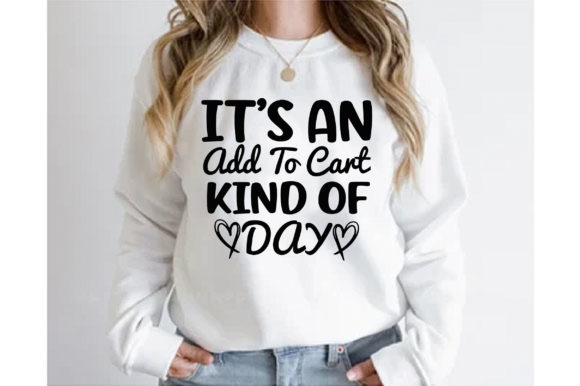
The core appeal of It’s an Add to Cart Kind of Day T-shirt is its bold, humorous message. It captures a specific moment of retail therapy or online shopping enthusiasm that resonates deeply with modern consumers. Visually, the layout relies heavily on strong letterforms. In the context of Graphics and Print Templates, this works beautifully as a PNG or SVG file for print-on-demand. However, when converting this mindset to an embroidery project, the challenge shifts to stitch definition.
I can already envision this design on a heavyweight cotton tote bag or a cozy sweatshirt. Imagine a customer walking into your Etsy shop or browsing a local craft fair booth. They see a tote bag featuring this phrase stitched in vibrant, contrasting thread colors. The humor lands instantly. It feels like a personalized gift for the friend who loves online shopping or a quirky addition to a boutique's holiday merchandise. The design has a distinct visual personality that suggests it belongs on casual wear rather than formal attire. It is a statement piece designed to spark a smile, which is exactly what drives engagement for handmade products.
Real-World Application: From File to Fabric
Let’s talk about a real-life scenario. Suppose you are preparing a batch of custom apparel for a small shop product launch. You decide to use It’s an Add to Cart Kind of Day T-shirt on a dark heather gray sweatshirt. The first step is always to visualize the stitch density. Typography-heavy designs often rely on fill stitch to create solid letters, but if the density is too high, the fabric can pucker, ruining the drape of the garment. If the design uses satin stitch for the outlines, you need to ensure the width of the letters allows for smooth needle movement without breaking threads.
I would recommend testing this machine embroidery design on scrap fabric first. Take a piece of the same weight material you plan to sell. Hoop it with a tear-away stabilizer if the fabric is stable, or a cut-away stabilizer if you are working with stretchy materials like jersey knit. Run the design out at full speed. Does the text remain legible? Are there any gaps in the fill where the backing shows through? These are the questions that separate a professional decorator from a hobbyist.
For a tote bag design, the flat surface usually accommodates larger hoop sizes well. However, if you attempt this on a curved surface like a cap, you must be cautious. The curvature can distort the straight lines of the typography, making the letters appear uneven. In such cases, a specialized cap frame and a reduced hoop size might be necessary to maintain the integrity of the message. Similarly, for baby embroidery, softness is key. Ensure the back of the stitches isn't too rough against sensitive skin, perhaps by using a water-soluble topping during the process to keep the stitches flat.
Navigating Technical Challenges
While It’s an Add to Cart Kind of Day T-shirt is versatile, there are specific situations where it requires careful handling. Small hoop sizes are a potential pitfall. If you try to shrink this design to fit a 4x4 inch hoop, the lettering may become too thin for the needle to stitch cleanly, leading to skipped stitches or thread breaks. Always check the minimum recommended size before scaling down.
Fabric texture also plays a crucial role. On a thick, textured canvas or a nubby wool blend, fine details in the typography might get lost. The thread needs enough space to sit on top of the fibers. Conversely, on very thin fabrics like a light summer shirt, the design could show through to the front if the stabilizer isn't adequate. For these delicate projects, consider using a lightweight mesh stabilizer to support the stitches without adding bulk.
Another consideration is the washing durability. Since this design is likely intended for everyday items like t-shirts and aprons, it will face frequent laundering. High-density areas of fill stitch can sometimes crack over time if the fabric stretches repeatedly. To mitigate this, ensure the design includes proper underlay stitches to lock the threads into the fabric. This adds longevity to your finished product and builds trust with your customers.
Enhancing Product Value and Brand Consistency
Incorporating It’s an Add to Cart Kind of Day T-shirt into your catalog can significantly boost your brand's perception. A well-executed embroidery project signals quality. When a customer holds a sweatshirt with crisp, clear lettering, they perceive higher value compared to a printed graphic that might peel after a few washes. This design offers a unique selling point for Etsy sellers and creative entrepreneurs looking to differentiate their commercial embroidery offerings.
The humor inherent in the phrase creates an emotional connection. It transforms a simple garment into a conversation starter. Whether used for holiday gifts, wedding favors, or personalized promotional items, the design encourages buyer engagement. People love sharing funny, relatable content on social media. If your customers post photos of their embroidered items, you gain organic marketing reach. Just remember to confirm the licensing terms before selling finished items. While the description mentions high-resolution PNG, EPS, and SVG files for digital product sellers, ensure you have the rights to produce physical goods for resale if that is your business model.
Practical Designer Notes for Success
To get the most out of this embroidery file, follow these practical steps:
- Test on Scrap Fabric: Never skip the test run. Check for puckering and thread tension issues before committing to expensive materials.
- Check Thread Contrast: Select thread colors that pop against your chosen background. A bright yellow or white on a dark shirt will make the message stand out, while similar tones might make the text hard to read.
- Review Stitch Density: If the software allows, adjust the density settings. Too dense causes stiffness; too sparse looks unfinished.
- Confirm Hoop Size: Match the design dimensions to your machine's capabilities. Don't force a large design into a small hoop.
- Inspect Small Details: Zoom in on the corners of the letters. Sharp angles can sometimes cause thread bunching. Rounding them slightly in your editing software might help.
- Use Proper Stabilizer: This is non-negotiable. The right stabilizer ensures the design lays flat and survives the wash cycle.
- Mockup Testing: Create black and white printable mockups to visualize the contrast before buying thread.
Ultimately, It’s an Add to Cart Kind of Day T-shirt is a fantastic asset for those who understand the nuances of textile decoration. It bridges the gap between digital creativity and tangible craftsmanship. By paying attention to the technical details—stitch count, stabilizer choice, and fabric compatibility—you can turn this funny typography into a best-selling item for your craft business. Whether you are creating a single personalized gift or a full line of custom apparel, this design has the potential to delight customers and showcase your skills as a professional embroiderer.